
Head Protection

Head protection is, as anyone working in a dangerous industry knows, essential. This vulnerable part of the body is also its most important asset, and impacts to this area can be disabling or fatal. You should always check with your manager to determine which hard hat is right for your line of work and the risks you experience on the job. However, there are a few basic classifications of hard hats that every worker should be familiar with.
Type 1 versus Type 2 Helmets
Type 1 hard hats are designed to protect the wearer from hits to the top of the head. They are overwhelmingly popular on the market and are used in an array of industries.
Type 2 hard hats safeguard workers from lateral blows in addition to hits to the top of the head. They often have foam padding on the interior, and are less common, except in extremely dangerous lines of work.
ANSI Class C, E and G Helmets
The class of helmet delineates what type of work it will protect from. Class C hard hats, meaning Conductive, will not protect the wearer from electrical shock. Class G, for General, can resist up to 2,200 volts of electricity, while those who work with heavy-duty electrical equipment should wear Class E, for Electrical helmets. These hard hats can withstand up to 20,000 volts.


WINTER LINER KNIT CAP

RIDGELINE XR7

RIDGELINE CAP
STYLE HARD HAT

CHIN STRAP for Helmets

HARD HAT CLIP

BALACLAVA BL111

RIDGELINE BUMP CAPS
Safety Hard Hats


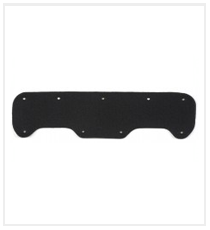


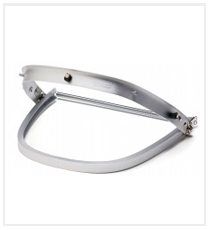



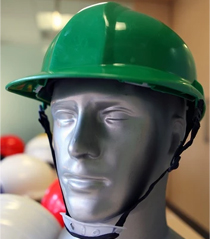
Industrial Safety Helmet
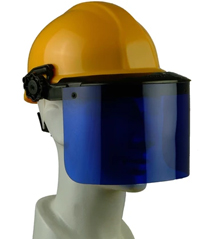
Helmet with Visor
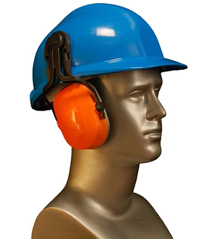
Helmet With Earmuff
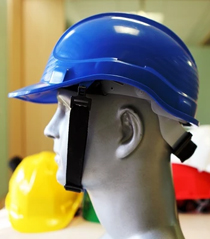
Roclite Helmet
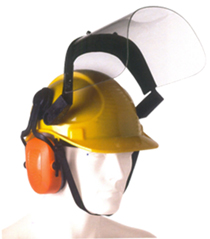
Roclite Helmet With Visor
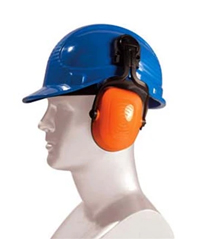
Roclite Helmet With Earmuff
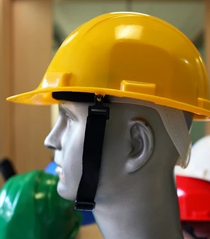
Hardy Industrial Safety Helmet
-
 Lalizas Life Safety
-
 Single Use PPE
-
 Head Protection
-
Msa V-Gard Helmets
-
 Ear Protection
-
 Face Protection
-
 Hand Protection
-
 Eye Protection
-
 Feet Protection
-
 Fall Protection
-
 Body Protection
-
 Safety shower
-
 Industrial Hazard
-
 Chemical / oil spill kits
-
 Respiratory Protection
-
 Safety Lockouts & Tagouts
-
 Work Wear
-
 Gas Detection
-
 Breathing Air Compressors
-
 Lifting Equipments
-
 Fire and Rescue
-
 Spill Protection